Vi de la Terra Illa de Menorca is experiencing one of the most promising moments in its recent history. Weather conditions have played in its favour, and the wines that will soon be tasted are expected to be outstanding. Spring rainfall boosted vine growth and strength, while the absence of rain and humidity during July and August significantly reduced the appearance of fungal diseases, minimising the need for treatments. The result: wines of exceptional quality and the highest production recorded in the past thirty years.
According to the Menorca Wine Producers Association, wineries declared a total of 2,394 hectolitres of wine in 2025under the Protected Geographical Indication (PGI) Illa de Menorca, representing a 27 per cent increase compared to the previous vintage, when production reached 1,882 hectolitres. White wine continues to dominate production, accounting for 49 per cent of the total, followed by red wine (26 per cent) and rosé (25 per cent).
It should be noted that not all wine produced in Menorca falls under the PGI Illa de Menorca. There are two additional categories: wines protected by the PGI Illes Balears and wines without a geographical quality designation (formerly known as table wine). When all three categories are combined, total production amounts to 2,794 hectolitres, representing a 23.7 per cent increase compared to 2024 and making this vintage the highest in volume since the recovery of viticulture on the island nearly thirty years ago.
These figures clearly show that the PGI Illa de Menorca accounts for the majority of the island’s wine production, ensuring traditional cultivation practices, top-quality grapes and strict compliance with the production, winemaking and control standards established by the geographical indication.
The Association also highlights that the consolidation of new vineyard plantings and improved control of damage caused by birds—thanks to the installation of protective netting—have contributed to the increase in production. Menorca currently has 175 hectares of vineyards registered in the official planting register, compared to 154 hectares the previous year.
A Sector That Creates Jobs and Contributes to the Economy
The Association is made up of twelve wineries, as well as one estate that already cultivates vineyards but has not yet begun wine production. These include: Bodegas Binifadet, Sa Cudia, Celler Solano, Vinyes Binitord, Hort Sant Patrici, Sa Marjaleta, Bodegas Torralbenc Vell, Sa Bodega de Son Cremat, Torralba Agrícola, Domaine Santa Catalina, Morvedra and Al Parico. Together, they form a solid sector that generates employment and makes a significant contribution to the local economy.
Menorca on the Global Wine Map
Positioning Menorca on the international wine map is one of the main priorities of the new board of the Menorca Wine Producers Association, led by Joan Fullana since May. The goal is to open up new markets, attract wine lovers to the island, promote winery visits and showcase the latest vintages, while visitors discover this paradise called Menorca. At the same time, the Association remains committed to engaging the local public, encouraging Menorcans to appreciate, enjoy and recognise the enormous winemaking potential that the island holds.
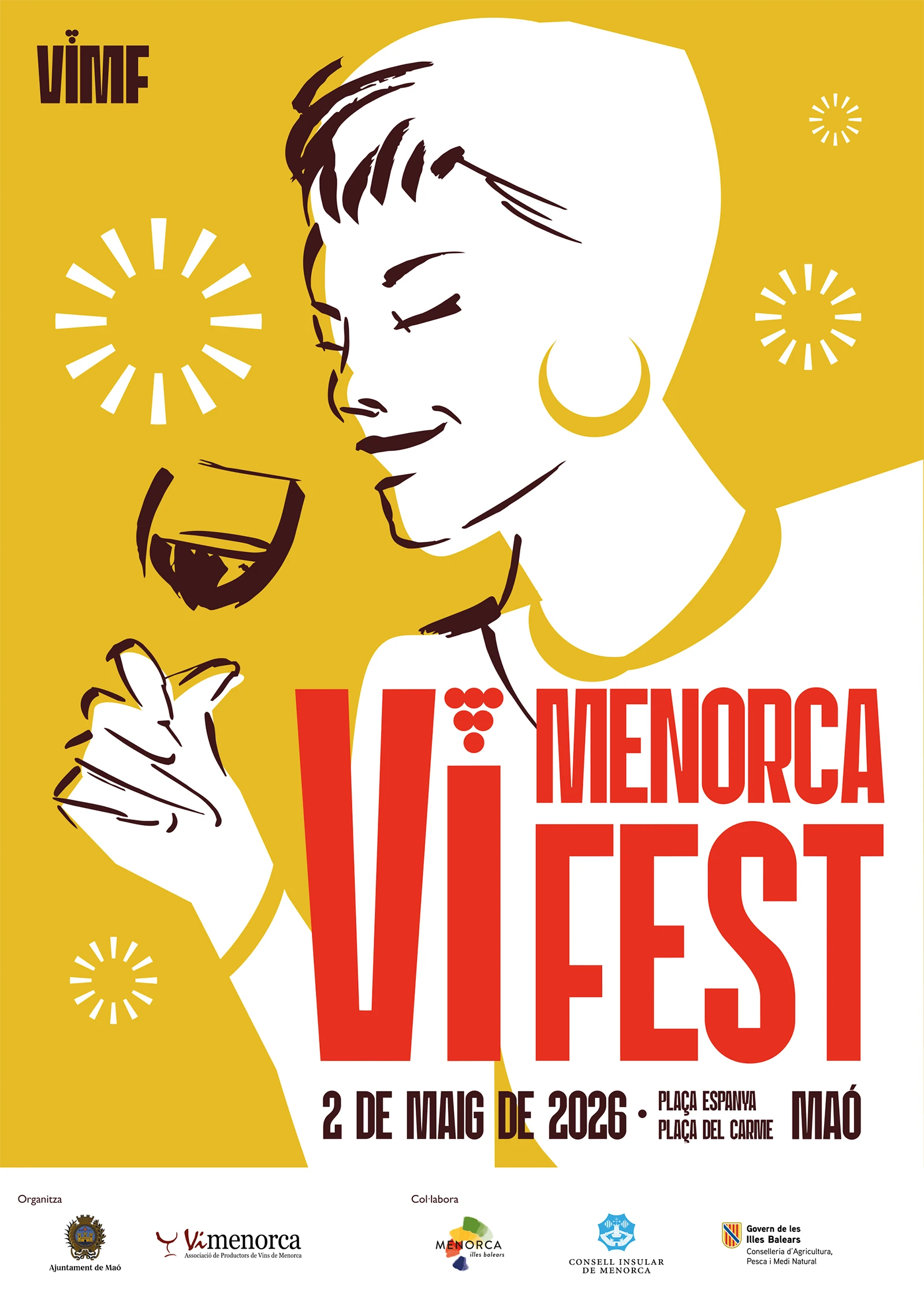
Among the projects planned for 2026, the president has also expressed the desire to organise a Wine Festival that would place Menorcan wines at the centre of a major island-wide event.
Along these lines, the Association has recently signed a collaboration agreement with the Island Council to support campaigns focused on awareness, promotion and training within the wine sector, which is considered an emblematic and strategic agri-food product for Menorca’s economy.